 |
|---|
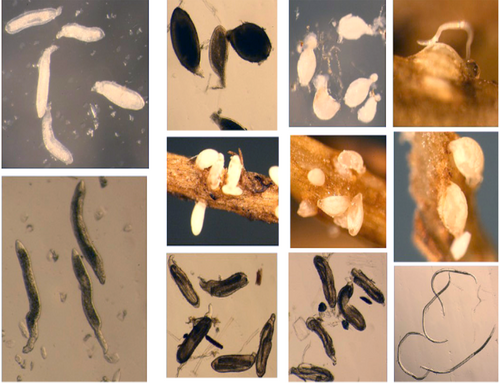
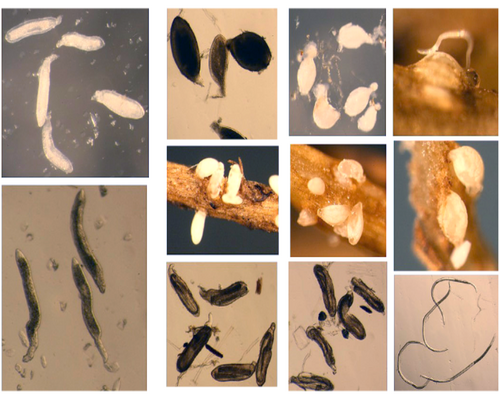
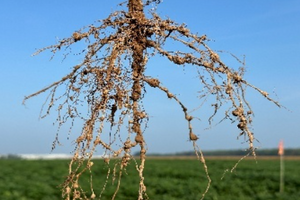
| In addition to SCN, other damaging nematode species like root-knot nematode (RKN), can cause root damage, limiting the plant’s water and nutrient uptake, and reducing yield. |
Source: SCN Coalition news release
Waukesha, Wis. — Soybean cyst nematode (SCN) isn’t the only nematode species threatening soybean production today. To help soybean farmers stay ahead of emerging nematode threats, The SCN Coalition has expanded its educational outreach to create the Soybean Nematode Management Guides, providing practical tools and science-based strategies to identify and manage four yield-robbing, parasitic nematode species.
More nematode species. More problems.
Nematode management isn’t one-size-fits-all as several species can infest soybean fields — each with distinct life cycles, symptoms and impacts on yield.
Funded by the United Soybean Board (USB) and developed by Extension plant pathologists and nematologists, the Soybean Nematode Management Guides provide soybean farmers with science-based tools to soil test and identify nematode infestations, develop tailored management strategies, and recover lost yield potential caused by:
· Soybean cyst nematode (SCN): Known as the No. 1 yield-grabbing pathogen of the soybean crop in North America, SCN causes up to 30% yield loss without demonstrating noticeable aboveground symptoms, leading to annual losses exceeding $1.5 billion.1
· Root-knot nematode (RKN): Another widespread threat, RKN species — including Southern RKN — can cause 25% yield loss in individual fields and is found in most soybean production regions in the U.S.
· Root lesion nematode (RLN): A collection of over 100 species, RLN’s impact on yield extends beyond soybeans. With a broad host range, RLN can also reduce yield in rotational crops, including corn, and lead to recurring economic losses.
· Reniform nematode: A significant pathogen in the southern U.S. for cotton and soybean farmers, reniform nematode can cause more than a 10% yield loss in individual fields.
New quantitative research conducted by The SCN Coalition of 271 farmers in southern soybean areas shows roughly 80% of farmers are well aware of SCN and RKN, while other nematode species that impact soybean yield like RLN and reniform are less understood. When high numbers of these nematodes coincide with drought or other stressful environmental conditions, soybean yield reductions can become even more severe. Other research findings include:
· 44% said they scout or conduct nematode soil sampling
· 57% rely on aboveground symptoms to diagnose nematodes
· 72% rely on crop rotation to manage nematodes
· 65% support checkoff-funded research to develop new nematode management tools
“Thanks to efforts from The SCN Coalition, soybean farmers have been exposed to active SCN management messages, but nematode pressure doesn’t stop there,” says Dylan Mangel, plant pathologist at the University of Nebraska-Lincoln. “Addressing these lesser-known and still damaging nematode species helps farmers close information gaps and take a more comprehensive approach to protect yield from nematodes. It’s also an opportunity for the Coalition to expand its reach and impact.”
Management tools for long-term nematode control
While it’s impossible to eliminate nematode pressure from an infested field, the Soybean Nematode Management Guides arm soybean farmers with multiple active management strategies shown to effectively reduce plant-parasitic nematodes’ impact on yield.
“An integrated approach using multiple active management strategies can keep nematode populations low and protect soybean yield,” says Horacio Lopez-Nicora, soybean pathologist and nematologist at The Ohio State University. “By adopting a proactive, informed management plan and using the practices found in these management guides, farmers can reduce plant-parasitic nematode pressure and help protect soybean yield and overall crop productivity.”
“These management guides are designed with the farmers’ needs in mind,” says Laurie Isley, United Soybean Board Director and Michigan farmer. In addition to step-by-step soil testing instructions and symptoms identification, the guides include management options like planting resistant soybean varieties, crop rotation, use of nematode-protectant seed treatments and other cultural practices that promote root health. “Along with working with your local agronomic expert, farmers can equip themselves with practices to manage nematode pressure to meet their soybean yield goals.”
More accessibility
Available online and for digital download, the four Soybean Nematode Management Guides are ready for use, putting the power of proven strategies in the hands of soybean farmers and their crop advisors to help actively manage these pests and protect yield.
Visit https://www.thescncoalition.com/field-guides/ to access the Soybean Nematode Management Guides.